
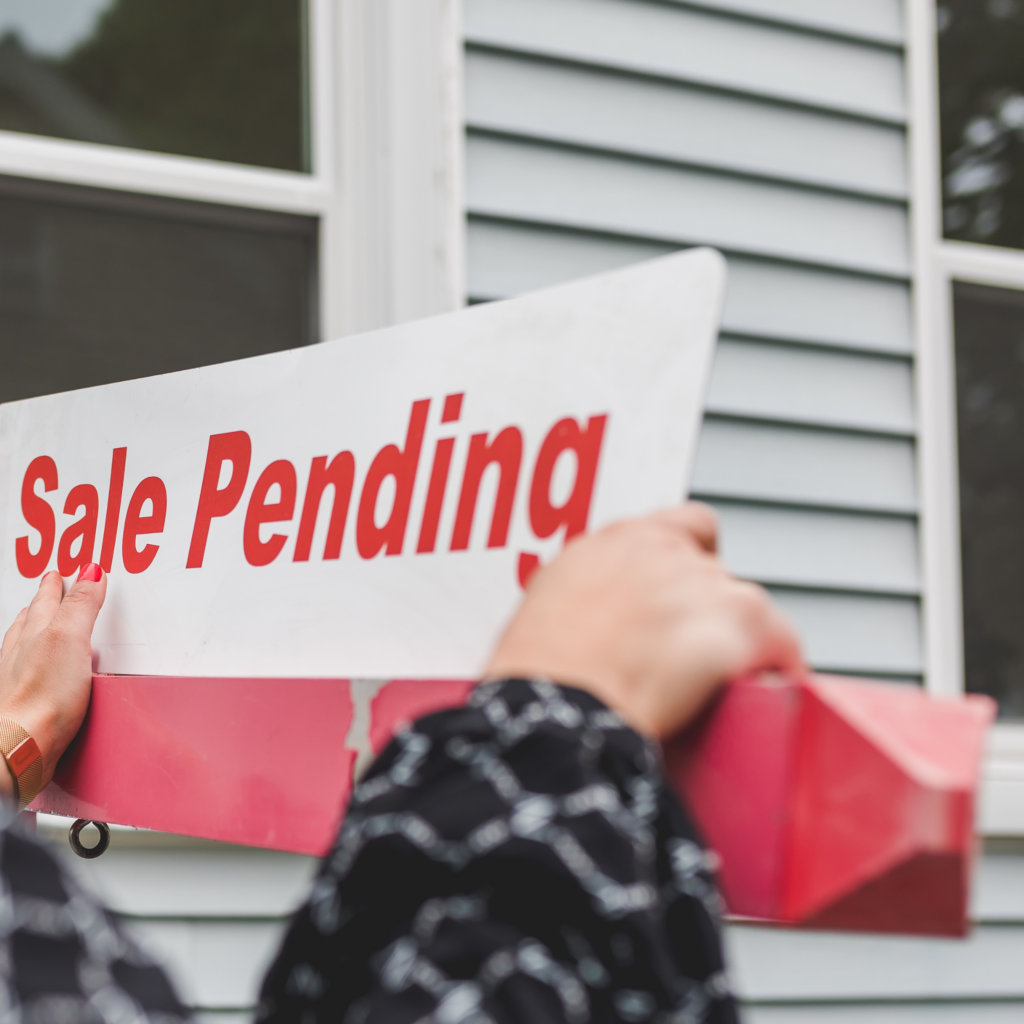
Buying your first investment property after sports can feel exciting and intimidating at the same time.
You are used to committing fully.
You are comfortable taking on challenges.
You are willing to work for long-term results.
Those traits help, but real estate is different from competition. There is no coach reviewing film for you, no season reset, and no easy undo button if a decision goes wrong.
Before buying your first investment property, former student athletes need to understand a few key realities that can protect both confidence and capital.
This Is Not the Same as Buying a Personal Home
Many former athletes assume their first investment property is just like buying a place to live.
It is not.
Personal homes are emotional decisions.
Investment properties are financial decisions.
You may like the property.
The numbers may not.
Before you buy, shift your mindset from resident to owner.
Ask questions like:
Does this property generate cash flow.
Can it survive vacancies.
Do the numbers still work after repairs and expenses.
If the deal only works because you hope it will, it is not an investment yet.
Cash Flow Matters More Than You Think
New investors often focus on appreciation.
Future value.
Hot markets.
Upside potential.
Appreciation is unpredictable. Cash flow is controllable.
Cash flow:
Pays the mortgage
Covers repairs
Protects you during vacancies
Reduces stress
Former athletes understand endurance. Cash flow is endurance for real estate. Without it, even a good property can become a financial burden.
Expenses Are Always Higher Than You Expect
One of the biggest surprises for first-time investors is expenses.
Maintenance is ongoing.
Vacancies happen.
Taxes increase.
Insurance changes.
If your numbers only work in a perfect scenario, they do not work.
Before buying, build in conservative assumptions.
Plan for repairs.
Plan for vacancies.
Plan for surprises.
Strong deals still work when things go wrong.
Financing Shapes the Deal More Than the Property
Former athletes often focus on the property itself.
The financing matters just as much.
Interest rate
Down payment
Loan type
Reserves required
A great property with bad financing can struggle. A solid property with good financing can survive tough markets.
Understand your loan options and avoid stretching too far early.
Leverage is a tool, not a shortcut.
Your Time Has Value
Many former athletes underestimate the time required early on.
Finding deals
Managing tenants
Handling repairs
Communicating with vendors
Real estate is not passive at the beginning.
Before buying, be honest about how involved you want to be.
Self-managing saves money but costs time.
Property management saves time but costs cash flow.
Neither is wrong. What matters is alignment with your life and career.
Location Is a Long-Term Decision
Athletes know environment matters.
Coaching.
Facilities.
Competition.
Real estate location matters just as much.
Job growth
Population trends
Desirable neighborhoods
Buying in a strong location often matters more than buying the perfect property.
Cheap properties in weak areas often come with higher risk and more work.
Inspections Are Not Optional
First-time investors sometimes rush inspections to win deals.
This is a mistake.
Inspections reveal:
Roof issues
Foundation concerns
Plumbing problems
Electrical risks
Every issue is either a cost or a negotiation point.
Skipping inspections is gambling, not investing.
Reserves Are Not Extra Money
Former athletes are used to pushing limits.
In real estate, reserves are protection.
Cash reserves cover:
Vacancies
Unexpected repairs
Economic changes
If you cannot comfortably maintain reserves after closing, the deal may be too aggressive.
Stress is often a sign of thin margins.
Real Estate Is a Business, Not a Side Hustle
Successful investors treat real estate like a business from day one.
They track income and expenses.
They document repairs.
They review performance.
Former athletes who bring structure and accountability into real estate tend to thrive.
Casual ownership leads to avoidable mistakes.
House Hacking Can Be a Smart First Step
Many former student athletes start with house hacking.
Living in one unit and renting others.
Buying a home and renting rooms.
This strategy lowers living expenses while building ownership experience.
It is not glamorous, but it is effective.
Just like early training, it builds a foundation.
Emotion Is the Enemy of Good Deals
Athletes are passionate by nature.
That passion can hurt investing decisions.
Do not fall in love with properties.
Do not rush to prove you can do this.
Do not compete emotionally with other buyers.
Good deals still make sense when excitement fades.
You Will Make Mistakes and That Is Normal
Every investor makes mistakes.
The goal is not perfection.
The goal is survivability.
Buying conservatively early gives you room to learn without derailing long-term progress.
Former athletes already know that growth comes through experience.
Build a Team Before You Need One
No athlete succeeded alone.
Your real estate team matters.
Agent
Lender
Inspector
Contractor
Property manager
The right team reduces stress and mistakes. Build relationships early.
Redefining Winning on Your First Deal
Winning on your first investment property does not mean getting rich.
It means:
Positive cash flow
Manageable risk
Learning the process
Sleeping well at night
The first deal is about foundation, not scale.
The Former Athlete Advantage
Former student athletes bring rare strengths into real estate investing.
Discipline
Patience
Comfort with long-term goals
Ability to learn through setbacks
These traits matter more than market timing.
The Bottom Line
Before buying your first investment property, understand this.
Real estate rewards patience, discipline, and preparation. It punishes haste and emotion.
Start conservatively.
Prioritize cash flow.
Respect expenses.
Build reserves.
Treat it like a business.
You trained for years without guarantees.
Your first investment property deserves the same respect.
When former athletes approach real estate with structure and long-term thinking, that first property becomes not just a purchase, but the foundation for everything that follows long after the final whistle.

