
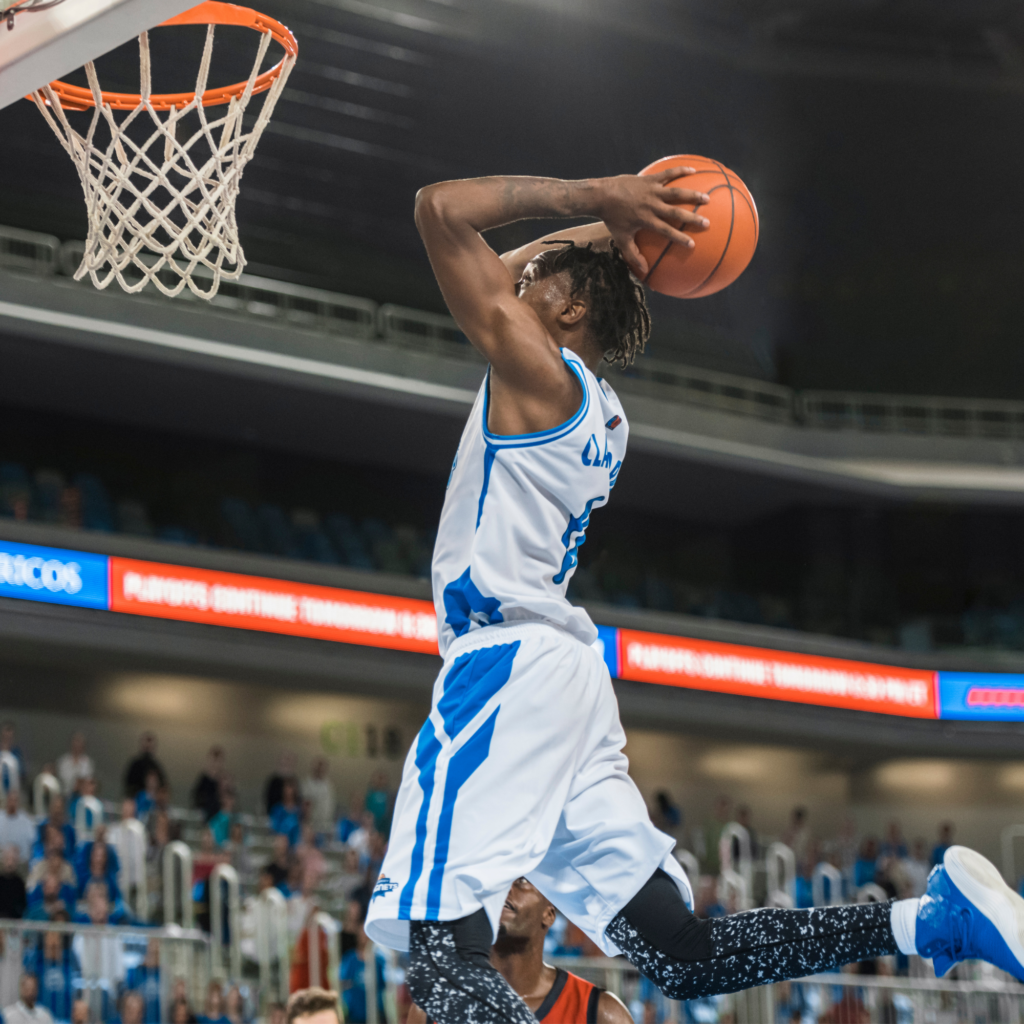
Mental strength in sports is practiced in controlled environments. There are drills, feedback, and clear objectives. Life after sports removes those structures, requiring mental strength to be applied continuously rather than situationally. This transition can be challenging, but it also allows for deeper integration.
Living with mental strength means applying skills like focus, resilience, and discipline to everyday life. It means managing stress without a coach directing recovery. It means maintaining motivation without external validation. These skills require refinement in a less predictable environment.
Former student-athletes often excel when they recognize that life itself becomes the training ground. Daily habits replace practice plans. Self-reflection replaces film review. Long-term consistency replaces short-term performance peaks. This shift requires patience and self-trust.
Mental strength outside of sports includes adaptability. Plans change, opportunities evolve, and setbacks lack clear timelines. Athletes accustomed to linear progress may struggle with ambiguity. Learning to tolerate uncertainty without losing confidence is a critical skill.
Equally important is self-compassion. Mental strength does not mean relentless self-criticism. It means supporting oneself through challenges rather than attacking perceived weaknesses. This internal relationship shapes long-term resilience more than any external achievement.
Living with mental strength is about sustainability. It allows former athletes to pursue meaningful goals without sacrificing well-being. It turns survival into growth and pressure into purpose.

About The Author
